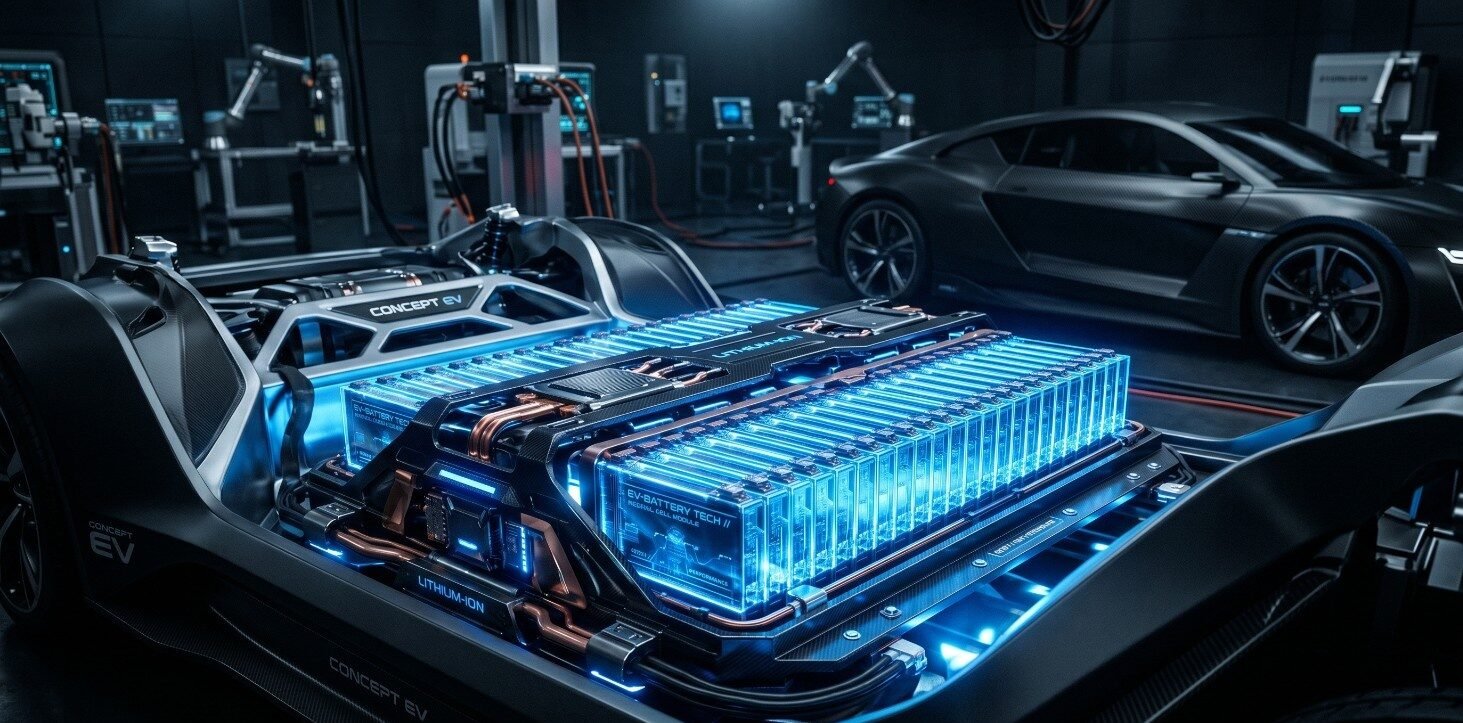
Battery cost is one of the first questions people ask when considering an electric vehicle — and for good reason. It’s often the single most expensive component in the car.
This guide breaks down real 2026 pricing, battery chemistry types, a brand-by-brand comparison table, and practical advice on replacement — so you can make an informed decision before spending a dollar.
How Much Does an EV Battery Cost in 2026?
Most replacement EV batteries fall somewhere between $3,500 and $23,000. That’s a wide range — and it comes down to three things: how big the battery is, what chemistry it uses, and who made the car.
Capacity is measured in kilowatt-hours (kWh). The more kWh, the longer the range — but also the higher the price. A compact 40 kWh battery runs around $7,000, while a full 100 kWh pack can reach $21,000 or more.
Quick reference: The typical sweet spot for mid-range EVs sits between $8,100 and $17,400, all-in before labor.
EV Battery Price Comparison Table by Brand (2026)
The table below shows approximate 2026 replacement battery prices across the most common models. These figures are estimates — final cost depends on your supplier, region, and whether you go OEM or aftermarket.
| Battery Type | Price (USD) | Capacity (kWh) | Make / Model |
|---|---|---|---|
| NMC Lithium-Ion | $12,800 – $15,100 | 71 | Toyota bZ4X |
| NMC Lithium-Ion | $8,100 – $10,500 | 52 | Renault Zoe |
| NCA Lithium-Ion | $13,900 – $19,700 | 60 – 82 | Tesla Model 3 |
| NMC Lithium-Ion | $7,000 – $8,700 | 44.5 | MG ZS EV |
| LFP Lithium-Ion | $15,100 – $17,400 | 82 | BYD Atto 3 / Han |
Note: OEM batteries from the manufacturer cost more than third-party alternatives but typically come with a warranty. Always confirm warranty coverage before purchasing.
What Factors Affect EV Battery Cost?
Not all batteries are priced the same — even within the same capacity range. Here’s what actually moves the needle:
- Battery capacity (kWh): The single biggest cost driver. More range = more cells = higher price.
- Battery chemistry: LFP (Lithium Iron Phosphate) cells — used by BYD and some Tesla variants — tend to cost less per kWh than NMC or NCA, but carry lower energy density. Solid-state batteries, still uncommon in 2026, cost significantly more.
- Brand and model: Vehicles with proprietary battery designs or high-demand components carry a premium over generic replacements.
- Manufacturing scale: Industry-wide prices have fallen steadily over the past decade. Mass production and improved recycling continue to push costs down — that trend hasn’t stopped.
Step-by-Step: How to Replace an EV Battery
Replacing an EV battery isn’t something you do on a whim — but it’s also not as complicated as it sounds when you follow the right process.
Step 1 — Get a Professional Diagnosis First
Before committing to a replacement, confirm the battery actually needs it. A qualified EV technician can determine whether the issue is the pack itself, a faulty cell module, or a software/BMS problem that doesn’t require a full replacement.
Don’t skip this step. Many reported “battery failures” turn out to be module-level issues or calibration errors — far cheaper to fix.
Step 2 — Set a Budget and Choose Your Battery
Get quotes from both the original manufacturer and authorized third-party suppliers. Decide between OEM (original equipment) and compatible replacement — third-party options are often 20–30% cheaper but may affect your vehicle’s remaining warranty.
Step 3 — Confirm Warranty and Place the Order
Once you’ve chosen your battery and supplier, verify the warranty terms and after-sales support in writing before payment. Reputable suppliers offer at minimum a 1–2 year warranty on replacement packs.
Step 4 — Professional Installation Only
EV battery systems operate at high voltages — 400V to 800V in most modern vehicles. Only a certified EV technician should handle the swap.
Warning: DIY installation voids insurance, warranty, and creates serious safety risks. This is not a regular car repair.
Step 5 — Recycle the Old Battery
Proper disposal is a legal requirement in most countries and most states. Most dealers, manufacturers, and third-party battery suppliers run take-back programs — ask before you shop.
Frequently Asked Questions
How Long Does an Electric Car Battery Last?
Most EV batteries last 8 to 15 years in real-world conditions. The main factors shortening lifespan are temperature extremes, frequent DC fast charging, and deep discharge cycles (running to near-zero regularly).
To get the most out of your battery:
- Avoid charging to 100% or letting it drop to 0% on a regular basis
- Prefer Level 1 or Level 2 charging over DC fast charging when you’re not in a hurry
- Park in covered or temperature-controlled spaces when possible
- Follow the manufacturer’s recommended maintenance intervals
When Is It Time to Replace an EV Battery?
Watch for these signs:
- Range drop below 70% of the original rated range
- Persistent electrical faults or warning lights that recur after being cleared
- Uneven charging behavior — cells charging or discharging at inconsistent rates
Most manufacturer warranties cover battery replacement if capacity drops below 70% within 8–10 years or 100,000–160,000 km, whichever comes first. Check your specific warranty document.
What Does a Full EV Battery Replacement Cost in the US?
The battery pack itself runs $3,500 to $23,000 depending on size and brand. Factor in labor (typically $500–$1,500) and battery recycling fees, and the total job usually lands between $5,800 and $23,000.
How Much Do EV Batteries Cost by Brand?
| Brand | Price (USD) | Capacity |
|---|---|---|
| Toyota | $12,800 – $15,100 | ~71 kWh |
| Renault | $8,100 – $10,500 | ~52 kWh |
| MG | $7,000 – $8,700 | ~44.5 kWh |
| Tesla | $13,900 – $19,700 | 60 – 82 kWh |
| BYD | $15,100 – $17,400 | ~82 kWh (LFP) |
The spread between brands reflects both pack size and chemistry. BYD’s LFP batteries are physically larger and use a fundamentally different cell design than the NMC packs found in most European and Japanese models.
Is It Worth Replacing an EV Battery?
It depends on the car’s age and resale value. If the vehicle is worth $25,000+ and the battery replacement runs $10,000–$15,000, it often makes financial sense — especially if the rest of the car is in good condition. For older, lower-value EVs, it’s worth calculating whether a replacement extends value or simply delays the inevitable.
Bottom Line
EV battery costs are real — but they’re falling. Prices have dropped significantly over the past decade and show no sign of reversing. Most owners will never face an out-of-warranty replacement, especially with proper maintenance.
If you’re weighing an EV purchase or already own one, knowing what a replacement costs — and when you’d actually need one — is the most useful piece of the puzzle. The numbers here give you a realistic baseline to work from.
Prices converted from European market data at 1 EUR = 1.16 USD (May 2026). All figures are estimates and may vary by region, supplier, and model year.