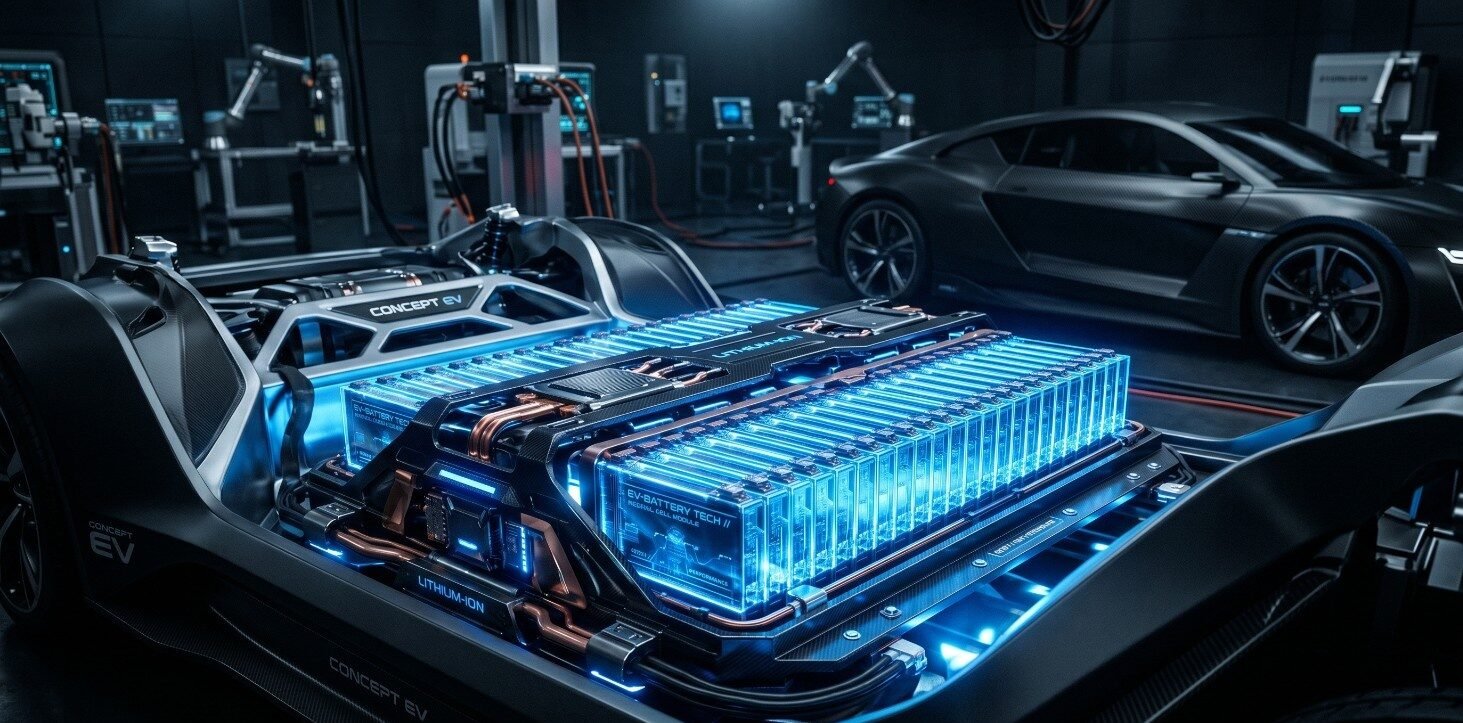
Right, let’s get the scary number out of the way first: EV battery cost UK figures in 2026 typically range from £5,000 to £15,000 for a full replacement. Premium models can blow past £20,000. That’s the headline. Everything else in this guide is about why the number swings so wildly, and whether you’d actually ever pay it.
I’ve spent the last few weeks digging through UK garage quotes, manufacturer warranty docs, and a fair few owner forums to put together something closer to reality than the usual “it depends” non-answer you get from most sites. If you’ve already done some research on buying a used electric car, this guide picks up exactly where that one left off: the one cost question every used-EV buyer eventually asks.
So What’s the Real EV Battery Cost in the UK?
Three things decide the bill: battery size, chemistry, and which badge is on the bonnet.
Capacity is measured in kilowatt-hours. More kWh means more range, and also a bigger invoice. A small 50 kWh pack lands around £5,000. Push past 100 kWh and you’re looking at £11,000 or more, sometimes considerably so.
Quick reference: Mid-range EVs typically fall between £7,000 and £12,000 for the battery alone, before labour.
Tesla sits at the expensive end. A Model 3 Long Range replacement can run £18,000 to £22,000 according to UK repair specialists: genuinely “remortgage the house” territory, as one garage put it. A Nissan Leaf, by contrast, usually comes in between £5,000 and £8,000, partly because it’s been around long enough that refurbished packs and module-level repairs are common.
EV Battery Price Comparison Table (UK, 2026)
| Make / Model | Battery Type | Capacity (kWh) | UK Price Range |
|---|---|---|---|
| Nissan Leaf | NMC Lithium-Ion | 40–62 | £5,000 – £8,000 |
| Fiat 500e | NMC Lithium-Ion | 24–42 | £4,000 – £7,000 |
| Hyundai Ioniq 6 | NMC Lithium-Ion | 53–77 | £7,000 – £12,000 |
| Tesla Model 3 (Long Range) | NCA Lithium-Ion | 60–82 | £13,000 – £20,000+ |
| Porsche Cayenne (Electric) | NMC Lithium-Ion | 90+ | £12,000 – £20,000+ |
These are estimates pulled from UK garage quotes and repair specialists. Your actual bill depends on supplier, region, and whether you go OEM or a refurbished pack.
Note: OEM batteries from the manufacturer cost more but typically come with a proper warranty. Third-party or refurbished options can be 20–30% cheaper. Worth asking what you’re giving up before you save the money.
What Actually Moves the Price
A few things, in rough order of importance.
Battery capacity. This is the big one. More cells, more cost. Not complicated.
Chemistry. LFP cells (used by BYD and some newer Tesla variants) tend to cost less per kWh than NMC or NCA chemistries, though they’re physically bulkier for the same range. Solid-state batteries exist but they’re still rare and expensive in 2026, so don’t expect them in your price comparisons yet.
Brand and architecture. Cars with proprietary, structural battery packs (Tesla, increasingly others) cost more to service than ones with modular systems you can partially repair. Volkswagen’s ID range is a decent example of the latter.
Manufacturing scale. The trend here has been steadily downward for years, and there’s no real sign that’s reversing. BloombergNEF’s annual battery price survey has tracked this fall consistently. Recycling and mass production both help.
When Would You Actually Need to Replace It?
Here’s the thing nobody mentions enough: most drivers never will. UK manufacturer warranties typically guarantee at least 70% capacity retention over 8 years or 100,000 miles, whichever comes first. Toyota and Hyundai/Kia both offer this, and Tesla does too, across most models.
Watch for these signs that something’s actually wrong, rather than normal ageing:
- Range dropping below roughly 70% of the original rated figure
- Electrical faults or warning lights that keep coming back after being cleared
- Cells charging or discharging unevenly: a sign of pack imbalance, not just wear
If you’re seeing any of that and you’re still under warranty, get it checked before assuming the worst. A lot of reported “battery failures” turn out to be a software or BMS calibration issue, not the pack itself. Far cheaper fix, if it’s that.
Step-by-Step: Replacing an EV Battery in the UK
Step 1 – Get a Proper Diagnosis First
Don’t skip this. A qualified EV technician needs to confirm it’s actually the battery pack and not a module-level fault or a calibration glitch. The difference in cost is enormous.
Step 2 – Get Quotes, Compare OEM vs Third-Party
OEM costs more, comes with better warranty backing. Third-party or refurbished can save you 20–30%, but check what happens to your existing vehicle warranty if you go that route. It’s not always a clean swap.
Step 3 – Confirm the Warranty in Writing
Reputable suppliers offer at least a 1–2 year warranty on replacement packs. Get it in writing before you pay anyone anything.
Step 4 – Professional Installation. Always.
EV battery systems run at 400V to 800V. This is not a weekend driveway job. DIY here voids your insurance, voids any warranty, and is genuinely dangerous.
Step 5 – Recycle the Old Pack Properly
Most UK manufacturers and third-party suppliers run take-back schemes. Ask before you commit to a supplier, since proper disposal is a legal requirement, not optional.
What to Watch Out For
A few UK-specific traps worth knowing about. Vehicle Excise Duty (VED) rules for EVs have shifted in recent years, so don’t assume your car’s tax status is locked in. Check current rates before budgeting long-term. If you’re driving in London, ULEZ exemption status is also worth confirming model-by-model, since not every EV qualifies automatically forever. And if you’re buying secondhand, ask for a battery health report (Zap-Map and several independent UK services offer this) rather than taking the seller’s word on remaining capacity.
Frequently Asked Questions
Q: How long does an EV battery actually last?
A: Most last 8 to 15 years in real-world UK conditions, sometimes well beyond that. Heat extremes, frequent rapid charging, and regularly running the battery near empty all shorten the lifespan.
Q: What does a full EV battery replacement cost in the UK?
A: EV battery cost in the UK typically runs £5,000 to £15,000 depending on size and brand, with premium models like Tesla or Porsche going considerably higher. Add labour, which can run into several hundred pounds on top.
Q: Is it worth replacing an EV battery, or should I just sell the car?
A: Depends on the car’s value. If it’s worth £20,000+ and the battery replacement runs £8,000–£12,000, it often still makes financial sense, assuming the rest of the car’s in decent shape. For older, lower-value EVs, run the maths first, because sometimes a replacement just delays the inevitable.
Q: Does car insurance cover EV battery replacement?
A: Sometimes, but check the fine print carefully. Many UK policies only cover battery damage from accidents, theft, or fire, not gradual capacity loss from normal use.
Q: Are EV batteries actually getting cheaper?
A: Yes, and the trend has held for years now. Prices per kWh have fallen steadily as manufacturing scales up and recycling improves. There’s no strong signal that’s about to reverse.
Bottom Line
EV battery cost in the UK is real, but it’s falling, and most UK owners will never face an out-of-warranty bill at all. If you’re shopping for an EV or already own one, knowing roughly what a replacement costs, and recognising the difference between normal ageing and an actual fault, is the most useful thing you can walk away with from a guide like this. For more hands-on, real-world EV buying advice, check out the rest of our guides on TechUpdateTop.
Prices reflect UK garage quotes and repair-specialist estimates as of June 2026. Figures are estimates and will vary by region, supplier, vehicle age, and whether OEM or refurbished parts are used.